Get a Free Inspection
Thank You!
We'll get back to you shortly. For immediate help, call (855) 473-5280.
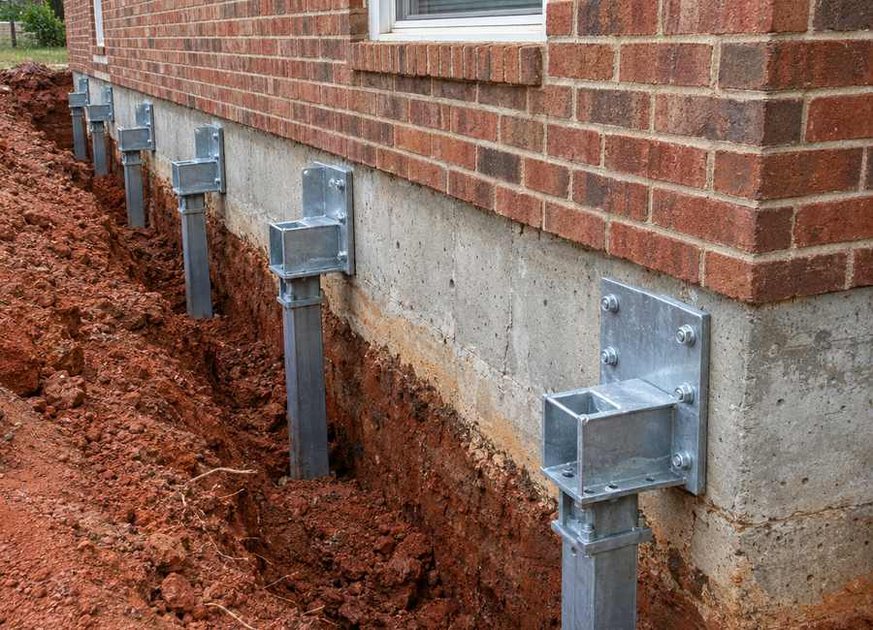
Foundation Repair Charlotte stabilizes and repairs settling, cracking, and bowing foundations for homeowners across the Charlotte metro. A foundation problem is never just cosmetic: when the ground under your house moves, it shows up as cracked walls, sticking doors, and sloping floors, and it only gets worse and more expensive the longer it sits. We handle the full range, from foundation repair and helical piers that lift and stabilize a settling house to foundation crack repair, basement wall repair, and concrete leveling for sunken slabs and driveways. One team diagnoses the real cause and fixes the structure, not just the symptom.
Around Charlotte the cause is almost always the ground. The Piedmont sits on heavy red clay that drains slowly and holds water against your footings, and pockets of dense "bull tallow" clay across the metro swell when wet and shrink in a drought. That wet-dry cycle, year after year, lifts and drops different parts of the foundation at different rates, which is what cracks walls and tilts floors. Every repair starts with a free inspection so you know exactly what is moving and why before you spend a dollar.
If any of these sound familiar, your foundation is likely moving. These are the warning signs we see most on Charlotte-area homes.
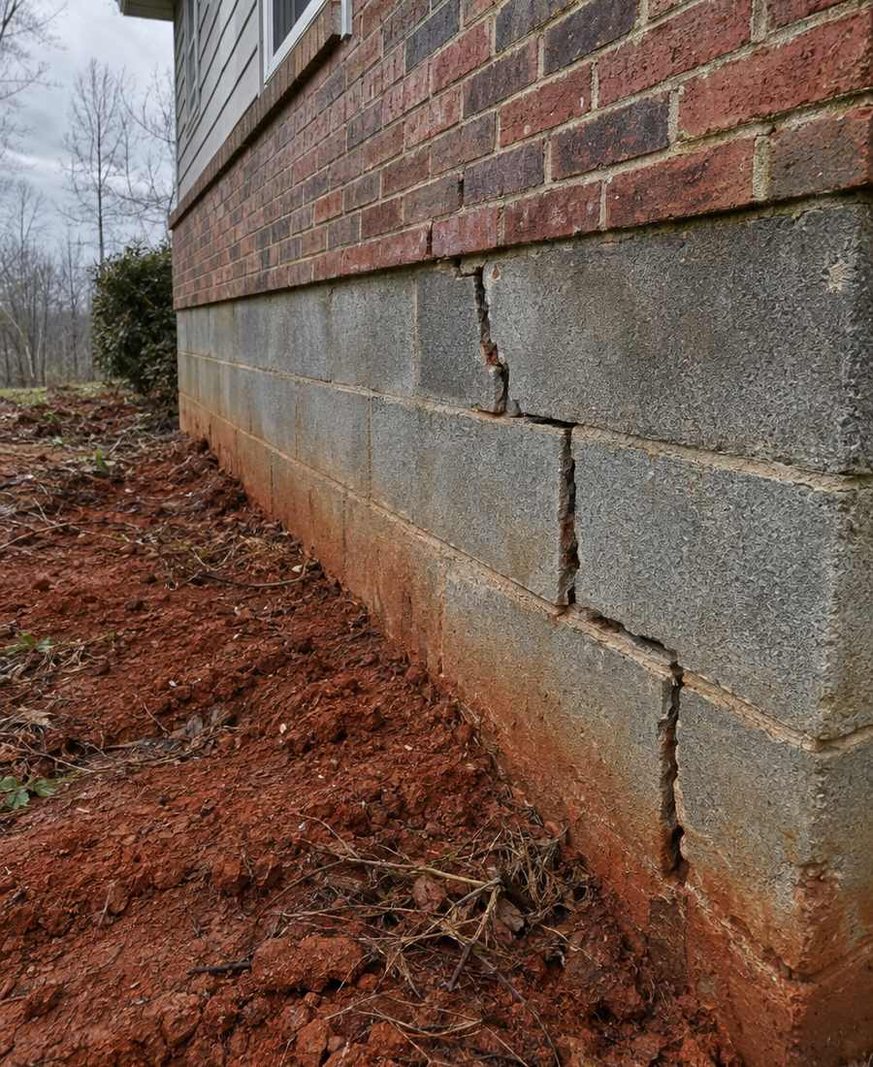
Cracks that climb the mortar joints in a staircase pattern up an exterior brick or block wall are one of the clearest signs the foundation is settling unevenly. The wider the crack, the more movement, and anything past about a tenth of an inch deserves a real look before it spreads.
When a door that always closed fine starts sticking, dragging, or showing a gap at the top corner, the frame is being pushed out of square by a shifting foundation. Windows that suddenly jam or will not latch are the same story one floor up.
Floors that slope, sag, or feel bouncy mean the structure underneath is no longer level. You might notice a ball rolling to one side of a room, or gaps where the floor meets the baseboard. On pier-and-beam homes it often points to failing supports below.
A basement or foundation wall that bows inward, leans, or shows a horizontal crack across the middle is under heavy pressure from wet, expanding soil outside. This is the most urgent sign on the list, because a wall failing that way can move fast.
When gaps open between the wall and a window frame, a door frame, or where a chimney pulls away from the house, the foundation is dropping away from the structure above it. A separating chimney in particular should be looked at right away.
Interior cracks that run diagonally from the corners of doors and windows, or that keep coming back after you patch them, are the inside view of the same foundation movement. Cracks that reopen or widen are worth an inspection.
Every job starts with a free inspection and an engineered plan. Here is what we do to stabilize and repair Charlotte-area homes.
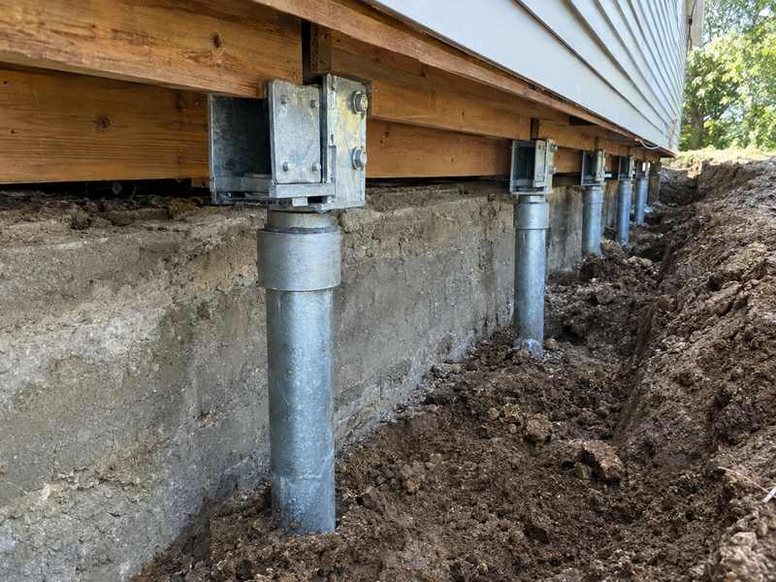
Foundation repair is the whole job of stabilizing a house that is settling, sinking, or shifting, and on most Charlotte homes that means getting below the problem soil to something that will actually hold. After a free inspection, we identify where and how much the foundation has moved, then design a fix around it: steel or helical piers driven down to stable soil or bedrock to carry the weight, with the settled sections lifted back toward level where the structure allows.
The goal is a permanent fix, not a patch. Because Charlotte's clay keeps moving with the seasons, a repair only lasts if it reaches past the active soil, which is why we engineer the pier count and depth to the house instead of guessing. Every structural repair is warranty-backed, and we walk you through exactly what was done and why so you are not taking it on faith.
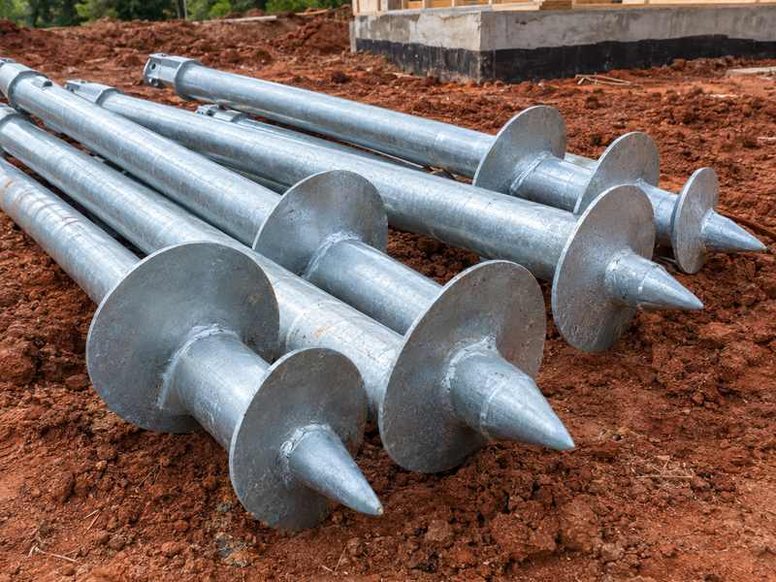
Helical piers are steel shafts with helix plates that are screwed deep into the ground, past the shifting clay, until they reach soil firm enough to carry your home's weight. We attach them to the footing with a bracket and transfer the load off the failing soil and onto the pier. Because they are turned in rather than driven, we can install them in tight spots with less disruption to the yard, and we get a real torque reading that confirms each pier has reached its capacity.
They are often the right call in Charlotte because the problem here is not the footing, it is the clay under it, and a helical pier simply bypasses that clay. On many jobs the piers can also lift a settled section back toward its original position as they are loaded. They work for porches, additions, and full homes, and they install year-round, including in wet weather when other methods stall.
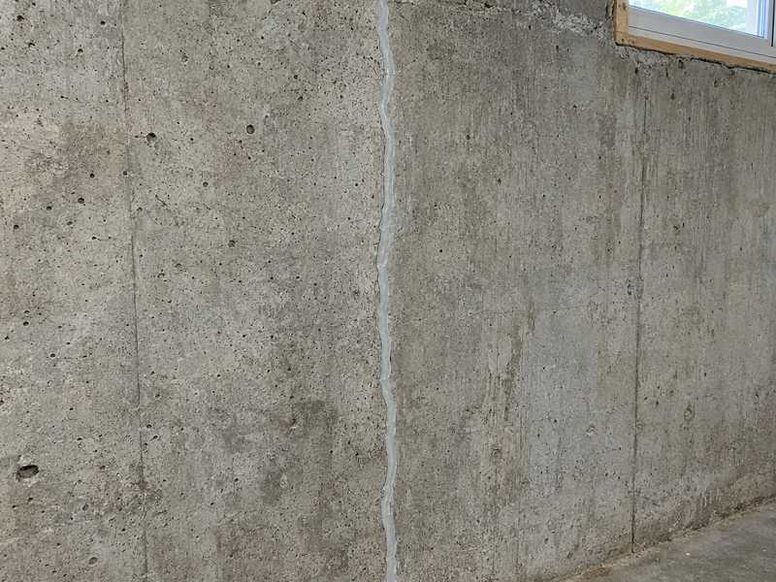
Not every foundation crack is an emergency, but the ones that leak, keep widening, or run horizontally need to be sealed and often reinforced. For a crack in a poured wall we inject it under pressure with epoxy or polyurethane that fills the full depth of the crack, bonds the concrete back together, and stops water from pushing through. It is a clean, same-day fix for the common vertical and diagonal cracks we see across Charlotte.
When a crack is a sign of real structural movement, injection alone is not enough, and we reinforce the wall with carbon fiber or address the settlement underneath with piers. The inspection is what tells the difference: we measure the crack, check whether it is still moving, and look at what the rest of the house is doing before we recommend a seal, a reinforcement, or a structural repair.
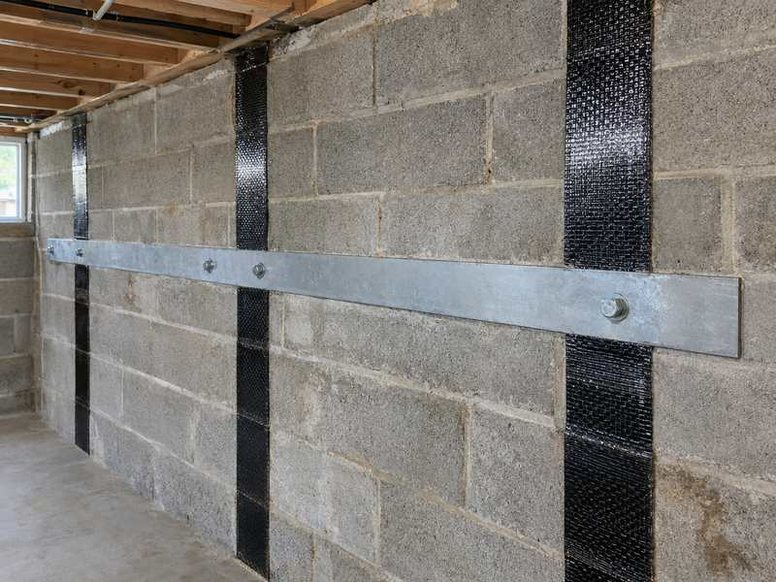
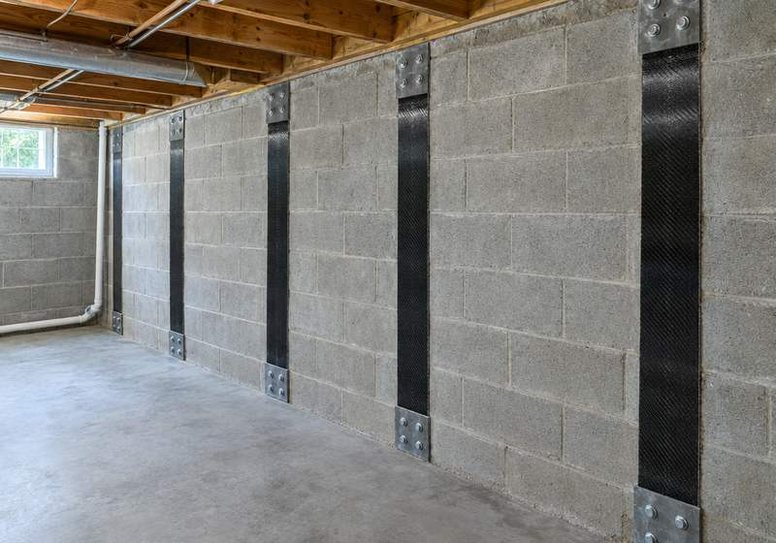
A basement or foundation wall that is bowing inward, leaning, or cracked across the middle is being pushed by wet, expanding soil on the outside, and it will keep moving until that pressure is relieved. For walls with early to moderate bowing, we reinforce them with carbon fiber straps bonded floor to ceiling, which are extremely strong, sit flush to the wall, and stop the inward movement without excavation.
For walls that have moved further, we use steel wall anchors or braces that tie the wall back to stable soil or the floor system and can often straighten it over time. Either way we address the water and soil pressure driving the problem, because reinforcing a wall without controlling what is pushing on it just delays the next move. This is the repair we treat most urgently, since a failing wall can go from a bow to a real structural risk.
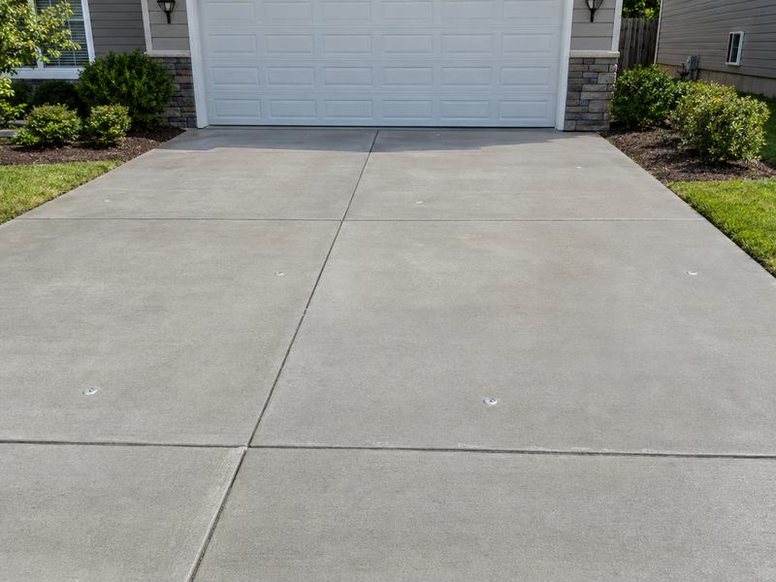
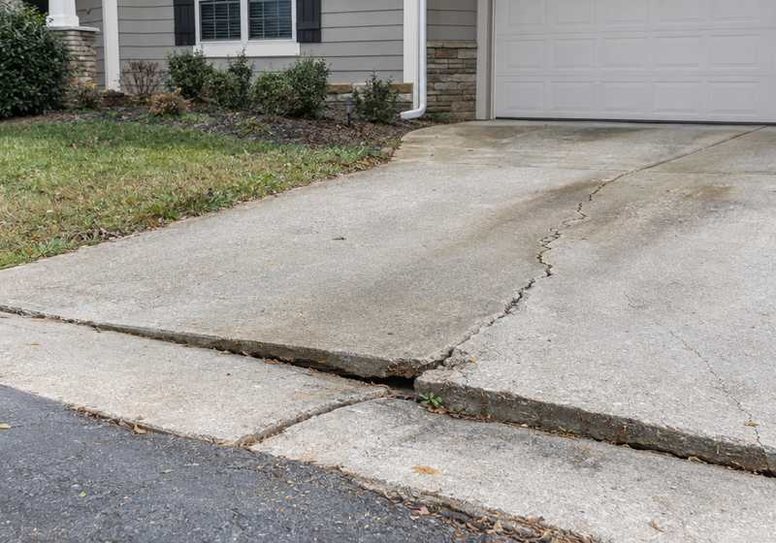
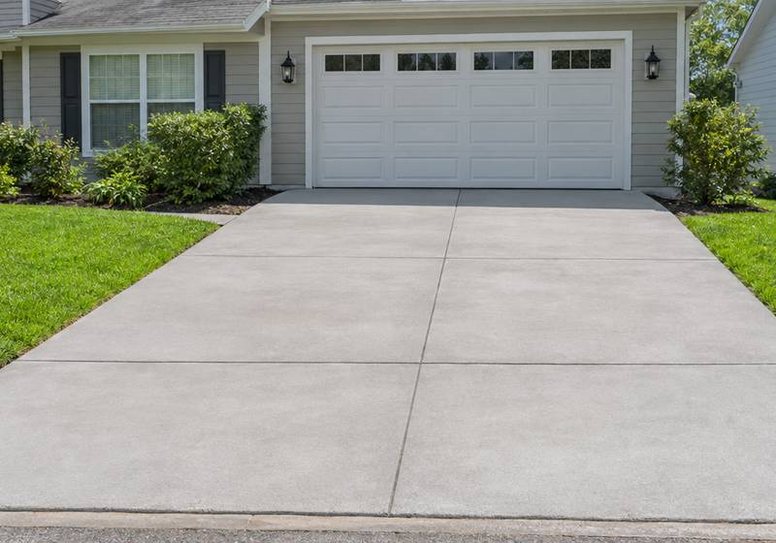
Concrete leveling lifts and re-levels sunken slabs, driveways, patios, sidewalks, and garage floors without tearing them out. We drill small, dime-sized holes and inject expanding polyurethane foam underneath, which fills the voids left by eroded or settled soil and raises the slab back to grade in minutes. It is the same movement that causes foundation settlement, just under a flat slab instead of the house.
Compared to pouring new concrete, leveling is a fraction of the cost, it is done in hours instead of days, and you can usually walk or drive on it the same day. It fixes trip hazards, slabs that have settled toward the house and send water at the foundation, and sunken garage and basement floors. Where a slab is too broken to save, we will tell you straight that replacement is the better call.
A foundation that cracks or settles in Charlotte is almost never bad luck or bad construction. It is the ground, and around here the ground is always moving. Here is what is actually happening under your house.
Charlotte sits in the Piedmont on Cecil red clay, North Carolina's state soil. It drains slowly and holds moisture against your footings, and saturated clay loses the strength to carry weight, so the foundation slowly sinks into it.
Scattered across the metro are pockets of dense, sticky "bull tallow" clay that genuinely swell when wet and shrink when dry. A foundation sitting on it rides up and down with the moisture, and because the swelling is uneven, it cracks as one section lifts while another drops.
Long, dry Piedmont summers pull moisture out of the clay and it shrinks away from the footings; then heavy rain and tropical remnants soak it and it swells back. That repeating cycle, season after season, is what drives the slow differential settlement behind most cracks.
Poor grading, downspouts dumping at the foundation, and large shade trees pulling water from one side all change how wet the clay is in spots. One corner stays damp and stable while another dries and drops, and that uneven moisture is what turns clay into cracked walls.
None of this stops on its own, because the clay and the climate are not going anywhere. The fix is to get the load off the moving soil and onto something stable with piers, relieve the pressure on the walls, and control the water. That is exactly what foundation repair is built to do.
Every job runs the same way, in the same order, because the order is what makes the repair last.
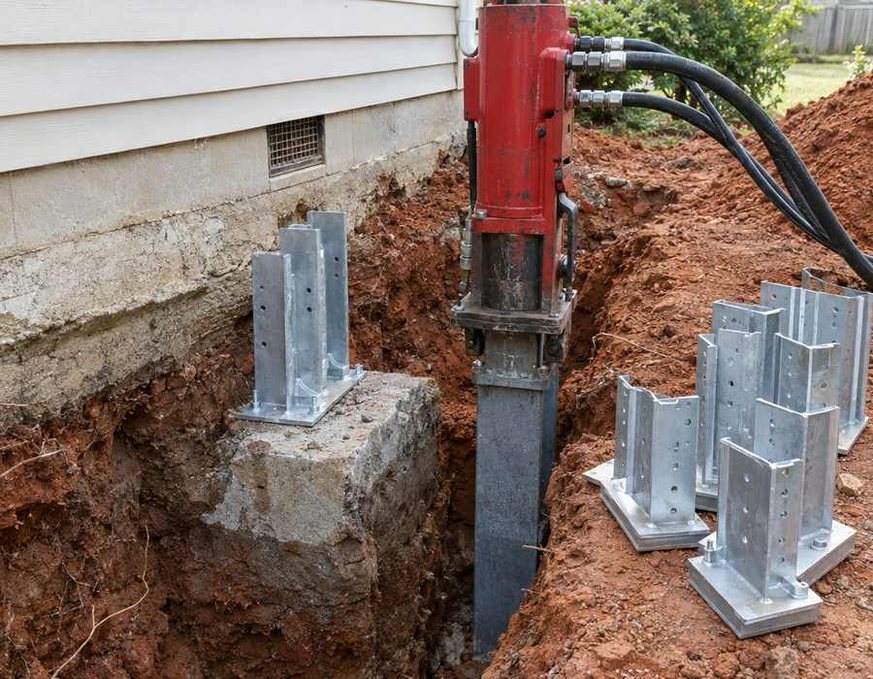
We inspect inside and out: measure the cracks, shoot floor elevations with a level, check the walls, the soil, and the drainage, and pin down where the movement is and how much. You get a clear read on what is going on.
We design the fix to your house, not a template: pier type, count, and depth, wall reinforcement, or leveling, with a structural engineer involved where the job calls for it. You get one written price up front.
Our crew installs the piers, braces or carbon fiber, crack injection, or poly leveling, lifts and stabilizes where the structure allows, and restores the site. Most homes are finished in a few days.
We re-check the elevations, walk you through what was done with photos, and hand over the written warranty. The repair is built to hold, and you have the documentation for resale.
Real foundation and concrete repairs on Charlotte-area homes, from cracked and settling to stabilized and level.
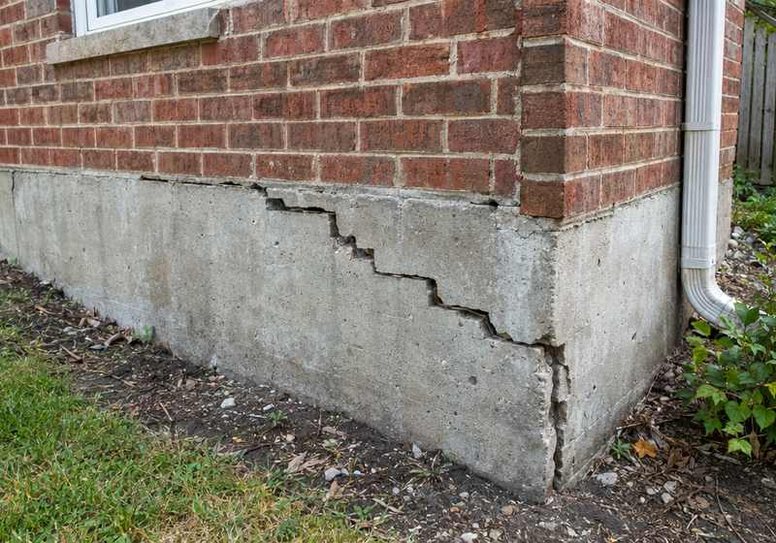 Before
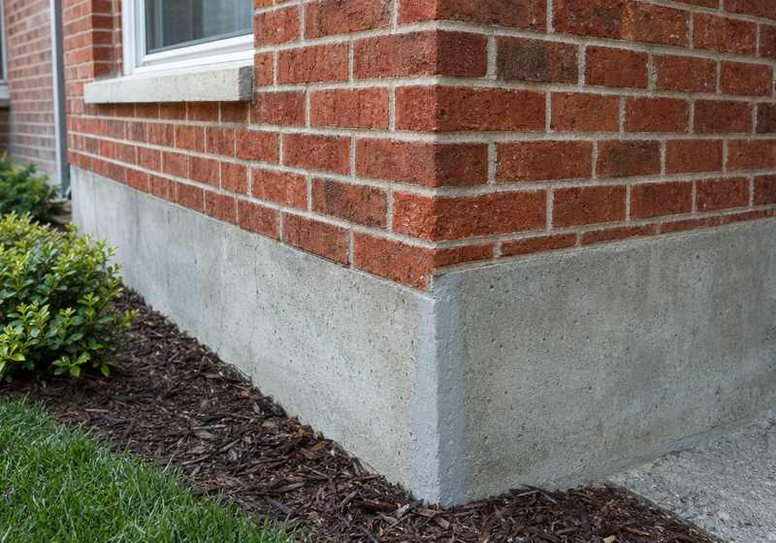 After
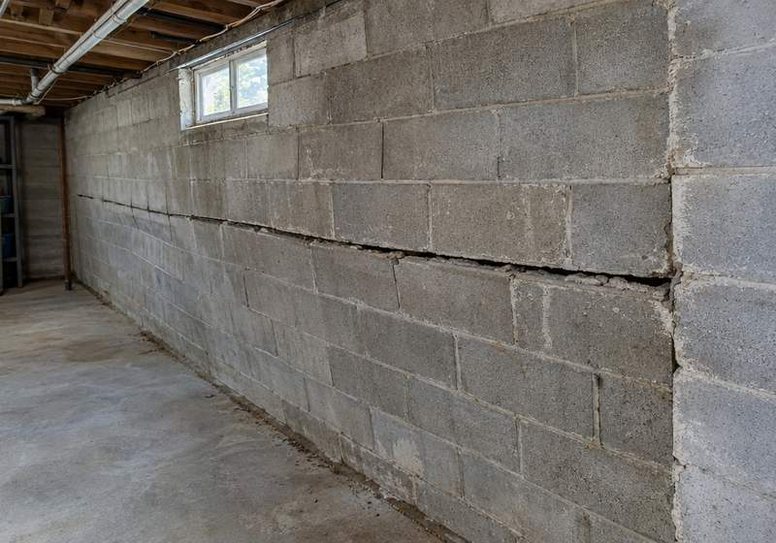 Before
 After
 Before
 After
We are not a general contractor or a waterproofer adding foundation work on the side. Structural stabilization is the whole business, so you get a crew that installs piers and carbon fiber every week and knows exactly how Charlotte's clay behaves.
We measure the cracks, shoot the floor elevations, and show you what is actually moving. If it is a minor crack and not a structural problem, we will tell you that and save you the money. If it is serious, we will tell you that too, before you spend anything.
We design the repair to your house, pier count and depth included, and bring in a structural engineer where the job calls for it. You get a single fixed price in writing before we start, with no change orders waiting at the end.
Structural repairs are backed by a written, long-term warranty that is often transferable to the next owner. You get the documentation to prove the work at resale, not just a handshake.
Most Charlotte foundation companies will not put a number on their site. We will. These are real 2026 ranges so you can plan; the exact price comes from a free inspection, because pier count and soil depth are what drive the cost.
Underpinning a settling home with piers. Most homes need 3 to 8 piers; severe or full-perimeter settlement runs higher.
Installed, including the bracket. Steel push piers run $1,500 to $3,500 each. Pier count is the biggest cost lever.
Crack injection from about $500 for a single vertical crack. Concrete leveling runs $1,000 to $3,500 per area.
What moves the price: how many piers the house needs and how deep they go to reach stable soil, whether a structural engineer's report is required, and the repair method. Basement wall repair runs $4,000 to $13,000 depending on carbon fiber versus steel anchors. Our inspection is free, versus the $300 to $600 a standalone engineer report costs.
These are typical Charlotte-area ranges for planning, not a quote. Every foundation moves differently, so we price yours at a free on-site inspection before any work begins.
Straight answers to what we hear most during free foundation inspections around Charlotte.
It depends on the fix. Sealing a single crack can run a few hundred dollars, while underpinning a settling home with piers typically runs $5,000 to $30,000 or more, with most homes landing in the middle depending on how many piers they need. Helical piers run about $2,000 to $4,000 each, and concrete leveling $1,000 to $3,500 per area. Pier count and how deep we have to go to reach stable soil are the biggest cost factors, so every job gets a free on-site price first.
Usually not. Most policies specifically exclude damage from settlement, soil movement, and expansive clay, which is what causes the large majority of foundation problems in Charlotte. Insurance may cover foundation damage from a sudden, covered event like a burst pipe or a vehicle impact. We give you a clear written scope either way so you know exactly what you are dealing with.
The soil. Charlotte sits on Piedmont red clay that drains slowly and holds water against the footings, plus pockets of expansive 'bull tallow' clay that swell when wet and shrink when dry. Our long dry summers and heavy rains put the clay through a constant wet-dry cycle, and poor drainage or large trees make it worse in spots. That uneven movement is what cracks walls and settles foundations across the metro.
Hairline cracks from concrete curing are usually harmless, but a crack wider than about a tenth of an inch, one that is wider at one end, a horizontal crack, or any crack that leaks water or keeps growing is worth an inspection. Cracks that run diagonally from the corners of doors and windows, or that reopen after you patch them, point to active movement. When in doubt, a free inspection tells you whether it is cosmetic or structural.
It depends on how far the wall has moved. For early to moderate bowing, carbon fiber straps bonded floor to ceiling stop the inward movement without excavation. For walls that have moved further, steel wall anchors or braces tie the wall back to stable ground and can often straighten it over time. In every case we also address the water and soil pressure pushing on the wall, because reinforcing it without relieving the pressure only delays the next move.
Most residential foundation repairs in Charlotte are finished in a few days. Installing piers on a typical home runs one to three days; crack injection and concrete leveling are often same-day. Larger jobs, or ones that need a structural engineer's plan or extra access work first, take longer. You get the timeline with your written estimate, after the inspection.
Both work, and the right one depends on your home and soil. Helical piers are screwed into the ground and give a measured torque reading, install in tight spots, and work well in Charlotte's clay and in wet weather, which makes them a common choice here. Steel push piers use the home's weight to drive down to bedrock and can be a better fit for heavier structures. We recommend the one the inspection supports, not a one-size-fits-all.
Concrete leveling with polyurethane foam typically runs $1,000 to $3,500 for a residential area like a driveway section, patio, or garage floor, depending on the size and how much lift it needs. It is a fraction of the cost of tearing out and repouring the slab, it is usually done in a few hours, and you can walk or drive on it the same day.
A properly engineered repair is built to be permanent. Piers that reach past the active clay to stable soil carry the home's weight for good, which is why quality repairs come with a long-term, often transferable warranty. It is worth it because a moving foundation only gets worse and more expensive, and it affects the value and sale of the home. Fixing the cause early is far cheaper than repairing the damage it keeps doing.
Any time. Foundation repair is done year-round in Charlotte, and helical piers in particular install fine in wet or cold weather when other work stalls. The real answer is not to wait: the damage keeps progressing with every wet-dry cycle, so the best time is as soon as you see the signs. If anything, drier stretches can make some excavation a little easier, but that is a minor factor.
We repair and stabilize foundations for homeowners across Charlotte and the surrounding towns, from Ballantyne and Matthews to Huntersville, Concord, and the South Carolina line.